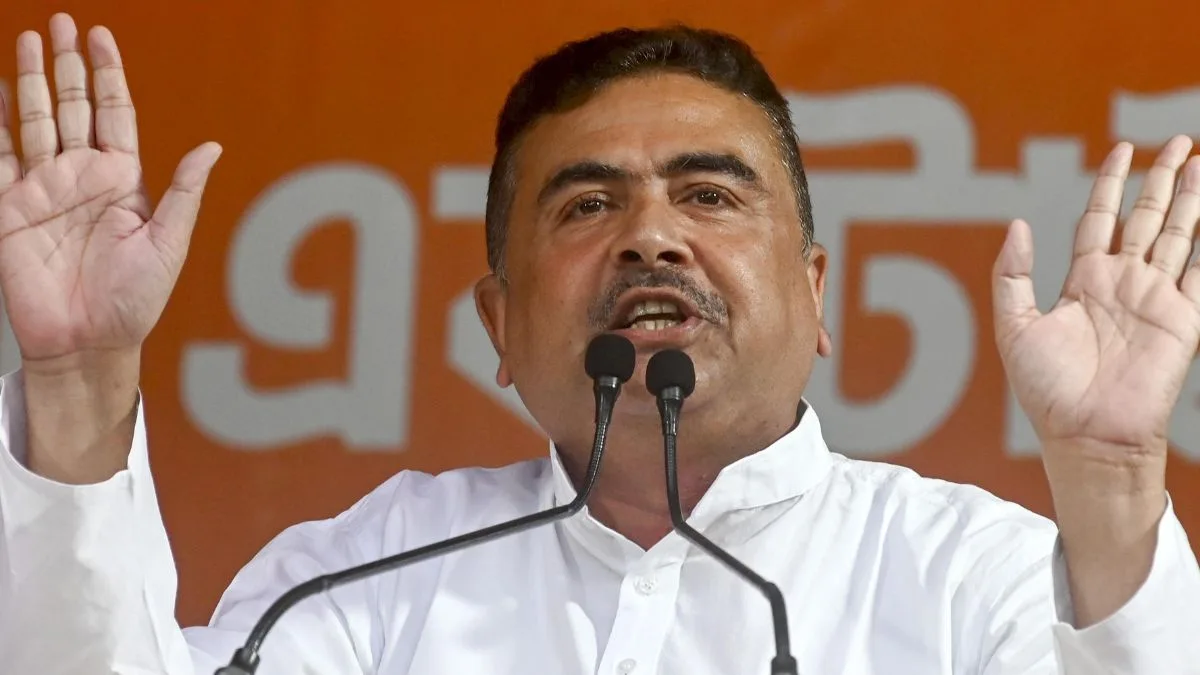
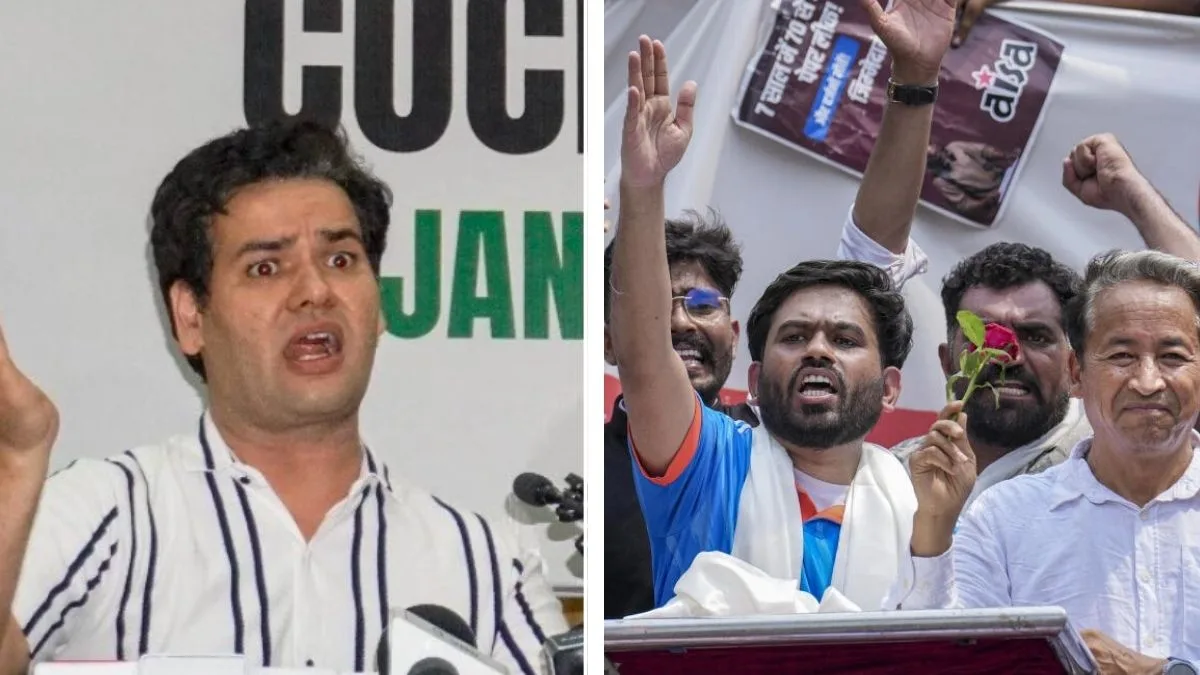
Sudan Gurung was sworn in as Nepal’s Home Minister for the second time on June 9, 2026. He resigned from the same post 48 days earlier, citing controversy over financial dealings. A government inquiry has cleared him of those allegations. But the inquiry report has not been made public. A national human rights body has recommended he be investigated for his role in last year’s Gen-Z protests. He now returns to the ministry responsible for carrying out any such investigation.
The return
President Ram Chandra Poudel administered the oath of office to Gurung during a ceremony televised live on June 9. Independent lawmaker Mahabir Pun was sworn in alongside him as Minister for Science, Technology and Innovation.
Advertisement
Gurung, born July 18, 1987, in Gorkha, is a member of the House of Representatives from Gorkha Constituency-1. He is a former event manager and nightclub DJ who turned disaster-relief volunteer after the 2015 earthquake and founded the NGO Hami Nepal.
Gurung first emerged in national politics as a central organiser of Nepal’s 2025 Gen-Z protests. He joined the Rastriya Swatantra Party in January 2026 and won his parliamentary seat in the March 2026 general election.
Why he left in April
Gurung had been appointed Home Minister on March 27 and resigned on April 22 following controversies over his share investments, other financial dealings, and alleged links to controversial businessman Deepak Bhatta, who is under investigation for money laundering.
The controversy centred on his shareholding in Star Micro Insurance Company Ltd, in which Bhatta and businessman Sulav Agarwal were also partners. Gurung’s name appeared at number 49 in the company’s preliminary share register, with an investment of Rs 2.5 million. The insurance company, licensed in 2022, had not yet issued an IPO.
A photograph also surfaced showing Bhatta being honoured as a donor by Hami Nepal, the organisation chaired by Gurung, on December 21, 2021.
His investments worth Rs 2.5 million each in Star Micro Insurance and Liberty Micro Life, as a founding shareholder, were not disclosed separately in his asset declaration. He said they were included within a broader figure of Rs 27.45 million listed under shares traded in the securities market. It was later disclosed that these companies had not yet begun public trading, raising questions about how such shares were categorised in the declaration.
Major opposition parties, including the Nepali Congress, CPN-UML and the Shram Sanskriti Party, formally called for his resignation and demanded an independent investigation. Gurung announced his departure on social media, saying he was stepping down to ensure an impartial investigation could proceed without any conflict of interest.
The inquiry that cleared him
A Cabinet meeting on May 11 formed a three-member committee under the leadership of former High Court Judge Achyut Prasad Bhandari, with Comptroller General Shovakant Paudel and Joint Attorney Achyut Mani Neupane as members.
The panel submitted a 45-page report to Prime Minister Balendra Shah on June 6. A forensic review of records from the Office of the Company Registrar, the Nepal Insurance Authority, and banking transactions found no paper trail linking Gurung to any direct investment or illegal financial dealings. The panel concluded that there was no legal evidence of hidden or benami investment involving Gurung and businessman Bhatta.
However, the committee had yet to reach a definitive conclusion regarding his financial transactions and share investments. Gurung returned to office without the government making the investigation report public.
NHRC’s separate findings
The government has drawn criticism for reappointing Gurung despite a report by the National Human Rights Commission identifying him as a key figure in the escalation of last year’s Gen-Z protests.
The NHRC recommended an investigation into Gurung, noting that although permission had been obtained for a peaceful demonstration, he allegedly failed to prevent the protest from turning violent.
The NHRC report says protest organisers had warned Gurung not to join the movement. The commission also claimed that misinformation was spread online in an organised manner during the protests, including a fake Facebook page under the name “Nepal Police” that circulated claims police would not shoot students if they joined protests wearing school uniforms.
Gurung maintained unusually high-level contact with Nepal’s security leadership during the two-day protest. On September 9, he called Inspector General of Police Chandra Kuber Khapung 42 times. Discord messages also indicated he had discussed plans with youths, including the use of petrol bombs and arson targeting private and government offices. Gurung claimed he had informed police about other groups preparing for anarchic activity.
Selective action, selective silence
The controversy intensified because the Shah government had acted swiftly on the findings of a separate commission investigating the same protests, leading to the arrest of former Prime Minister KP Sharma Oli and former Home Minister Ramesh Lekhak. Both were released following a Supreme Court order after nearly two weeks.
The NHRC committee was itself criticised for not including Prime Minister Balendra Shah in the list of people recommended for further investigation, given that Shah was also active on September 8 and 9, communicating with protesters through social media.
When Nepali Congress lawmaker Arjun Narsingh KC raised questions about the NHRC report in Parliament on May 31, Prime Minister Shah said all reports would be studied and implemented collectively by the government. His remarks were widely interpreted as signalling the government was not prepared to act on the NHRC findings alone.
What he has announced
Minutes after taking charge, Gurung declared that every criminal file in the country would now be reopened.
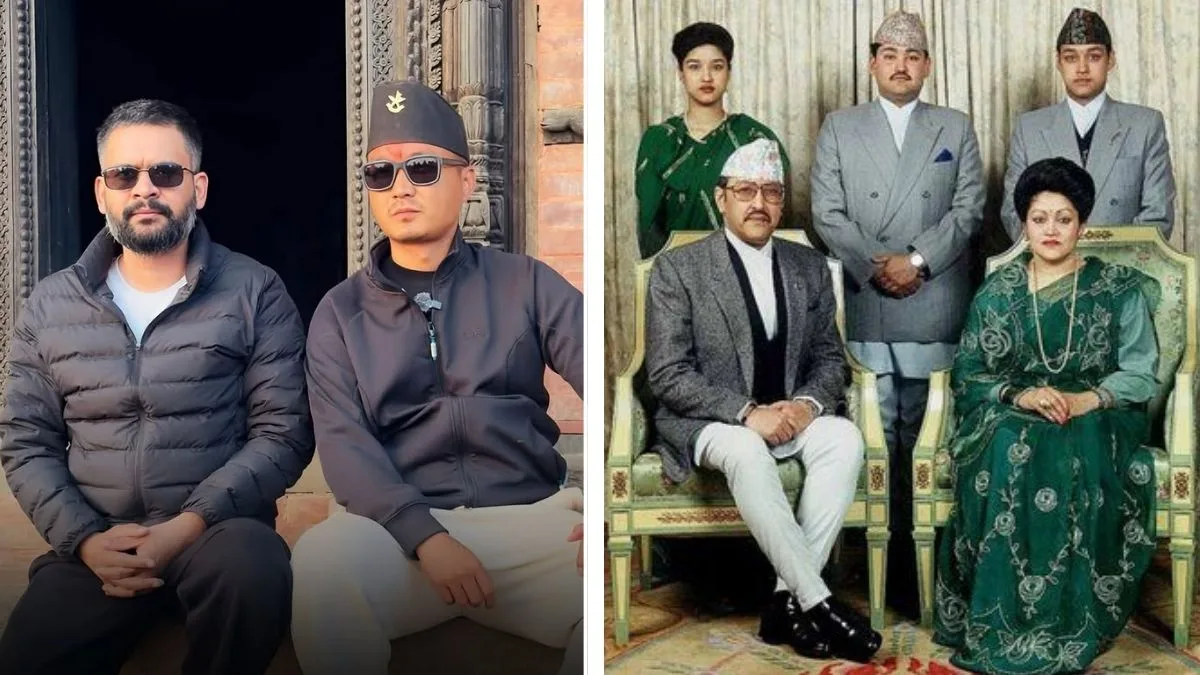
He announced that the government would reopen the file related to the 2001 Narayanhiti Royal Palace massacre. The announcement remained thin on immediate administrative substance. Gurung did not elaborate on who would head such an investigation, its official time frame, or the specific terms of reference governing the fresh probe. A high-level investigative team led by then-Parliament Speaker Taranath Ranabhat had officially concluded in 2001 that Crown Prince Dipendra was the sole killer behind the massacre, asserting that he turned the weapon on himself after the shooting.
Gurung also directed the formation of a special task force to investigate whether criminal cases filed in connection with the Gen-Z uprising could be withdrawn, and to submit a report with recommendations.
He directed the formation of a Sensitive Information Vigilance Team within the security apparatus to monitor and prevent leaks of confidential information from the home ministry and security agencies.
He also directed investigators to expedite pending cases and announced plans to establish specialised units within the bureau to handle serious crimes, organised crime and financial offences.
The core problem
Gurung now heads the ministry responsible for carrying out any investigation the NHRC recommends involving him. Human rights officials have said they expect no impartial investigation into the NHRC’s recommendations when the individual under scrutiny helms the ministry responsible for carrying them out.
The inquiry report that cleared him of financial wrongdoing remains unpublished. The committee itself stopped short of a definitive conclusion on his share investments and financial transactions. No explanation has been given for the selective application of one commission’s findings while another commission’s recommendations sit unaddressed.